Introduction
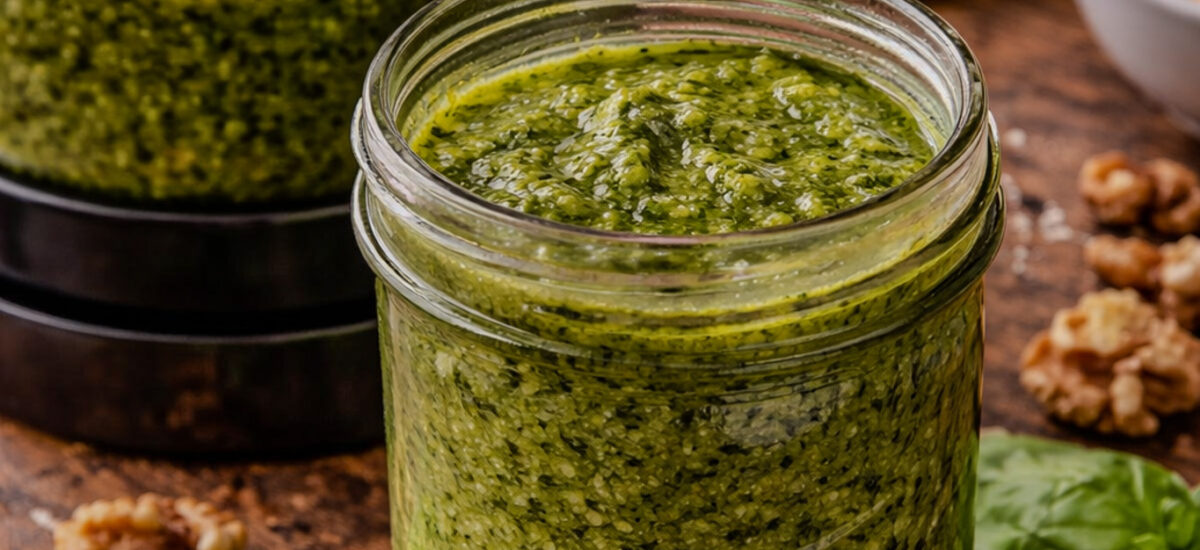
Pesto epitomizes culinary simplicity, demonstrating that minimal ingredients can yield exceptional flavor. The critical components include fresh basil for its aromatic profile, high-quality extra virgin olive oil, which contributes richness and mouthfeel, a selection of nuts-typically pine nuts, which add creaminess and texture-and aged cheese such as Parmigiano-Reggiano, which enhances umami depth. The balance and interaction of these elements are essential in achieving the desired emulsification and flavor complexity characteristic of a well-crafted pesto. - That's it. No cooking, no long prep, just a quick blitz in the food processor and you've got something that instantly upgrades whatever it touches.
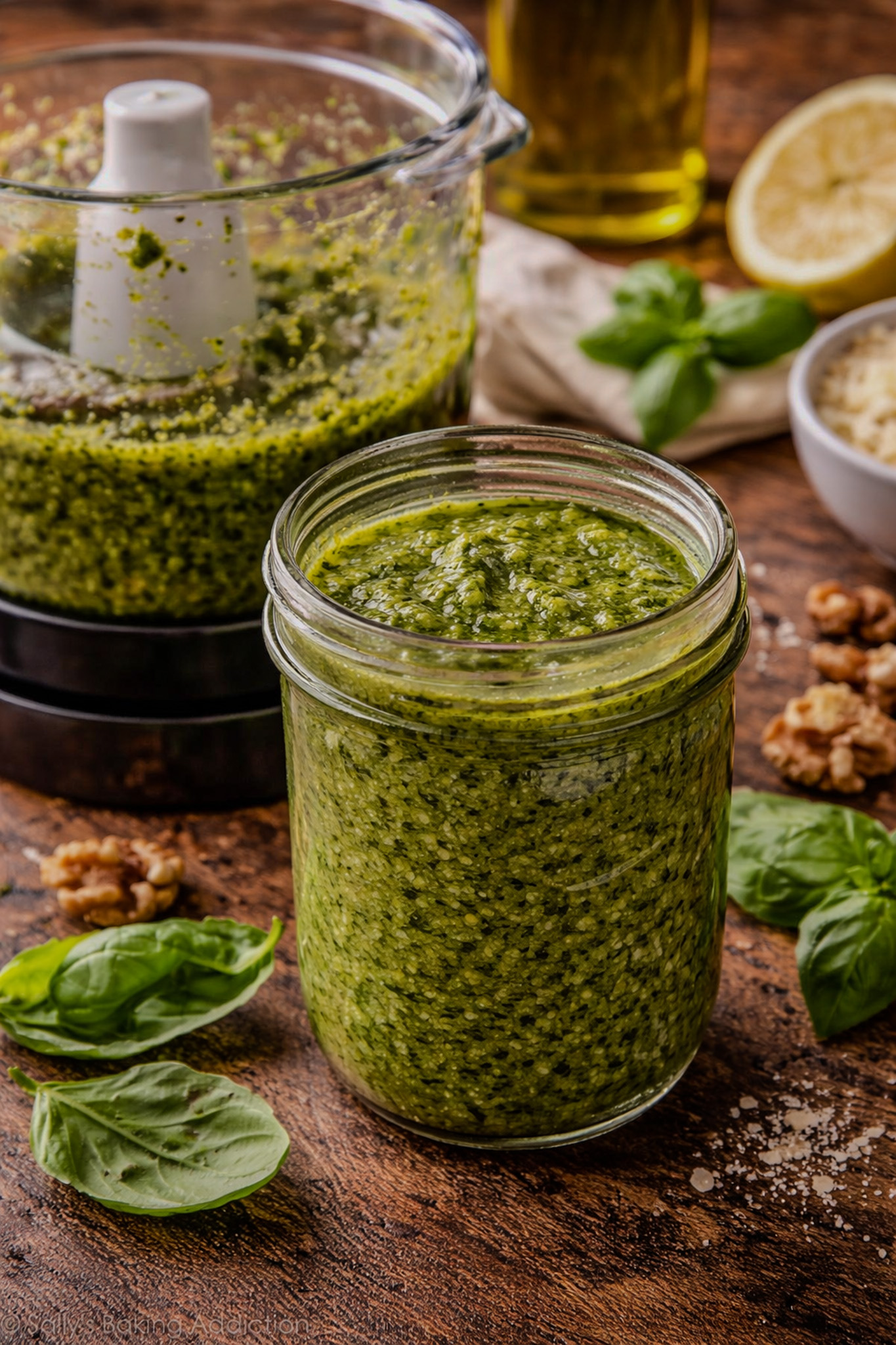
This version keeps things intentionally simple. Walnuts stand in for pine nuts (because they're easier to find and still delicious), and the garlic stays bold without overpowering the basil. It's the kind of pesto you can toss with pasta, spoon over grilled chicken, swirl into soups, or stash in the freezer for later.
If you're building meals around simple flavor boosters like this, you might also like:
- Grilled Chicken with Basil Dressing - another herb-forward way to keep chicken interesting
- Foil-Baked Cod with Lemon and Dill - clean, bright flavors that pair well with pesto on the side
- One-Pan Orecchiette Pasta - a perfect base for tossing with fresh pesto
Once you start keeping sauces like this on hand, weeknight cooking becomes much easier. Pesto isn't just a pasta sauce; it's a shortcut.
Why This Recipe Works
This basil pesto keeps it easy and highlights fresh, tasty flavors. Mixing basil, garlic, nuts, and olive oil makes a smooth sauce that feels rich without being too heavy, and a touch of Parmesan adds just the right amount of savory kick.. Using a food processor keeps the texture consistent and quick to prepare, making this a dependable recipe you can turn to whenever you want to add fresh flavor without much effort.
Ingredient Notes
A few small details can make a big difference in the final result.
- Fresh basil - Use bright, fresh leaves for the best flavor and color. Avoid wilted or dark leaves.
- Walnuts - Provide a mild, slightly earthy flavor. Pine nuts or almonds can also be used.
- Garlic - Adds depth and sharpness, so adjust based on your preference.
- Extra virgin olive oil - A good-quality oil helps create a smooth texture and balanced flavor.
- Parmesan - Adds saltiness and richness that rounds out the sauce.
Simple ingredients really shine here, so quality matters.
Tips for Best Results
- Pulse rather than blend continuously to avoid overprocessing the basil.
- Add olive oil slowly to control texture and keep the pesto smooth.
- Taste before serving and adjust salt, cheese, or garlic if needed.
- If the pesto looks thick, add a little more olive oil to loosen it.
- Store with a thin layer of olive oil on top to help preserve color.
A few small steps help maintain freshness and flavor.
Variations and Substitutions
Pesto is easy to customize based on what you have on hand.
- Swap walnuts for pine nuts, almonds, or cashews.
- Add a squeeze of lemon juice for extra brightness.
- Use Pecorino Romano instead of Parmesan for a sharper flavor.
- Add spinach or arugula for a slightly different profile.
- Reduce the garlic for a milder version.
Let's start with one version, and then we can tweak it to better suit your preferences.
Storage and Reheating
Store pesto in an airtight container in the refrigerator for up to 5 days. To help preserve color, pour a thin layer of olive oil on top before sealing.
Pesto freezes very well - portion into small containers or ice cube trays and freeze for up to 3 months.
No reheating is needed; simply stir before using.
Frequently Asked Questions
Can I freeze pesto?
Yes - it freezes beautifully and is great to keep on hand.
Why does pesto turn dark?
Exposure to air can oxidize the basil. Covering with olive oil helps prevent this.
Can I make this without cheese?
Yes - simply omit or replace with a dairy-free alternative.
Can I use a blender instead of a food processor?
You can, though, pulse carefully to avoid overprocessing.
How do I thin pesto for pasta?
Add a splash of pasta cooking water or extra olive oil.
Serving Suggestions
This pesto is incredibly versatile and can be used in many ways.
- Toss with pasta or gnocchi
- Spread on sandwiches or wraps
- Spoon over grilled chicken or fish
- Mix into roasted vegetables
- Stir into soups or grain bowls
- Use as a dip with bread
It's an easy way to add fresh flavor to everyday meals.
Make It Your Own
Once you've made pesto from scratch, it's easy to adjust the balance of garlic, cheese, and oil to match your taste. Add more basil for freshness, more cheese for richness, or extra olive oil for a smoother texture.
Simple recipes like this are meant to be flexible - adjust and make it your own.
Recipe
Simple Basil Pesto You'll Use on Everything
Ingredients
- 2 cups fresh basil leaves
- 2 tablespoons walnuts
- 2 large garlic cloves
- ½ cups EVOO
- ½ cup grated parmesan

Instructions
- Combine the basil and walnust in a food processor until finely minced
- With the machine runningf, slowly drissle in the oil until the mixture is smooth
- Add the cheese and a few turns of ground pepper, pulse a few times to combine
- Store in the fridge or freeze
This is good, I’ve used almonds and it turned out nice. Can’t wait to try it in the summer with basil from the garden