Introduction
(Crisp Edges, Meaty Texture, Deep Umami)
Lion's mane mushrooms don't look like most mushrooms - and they don't cook like them either.
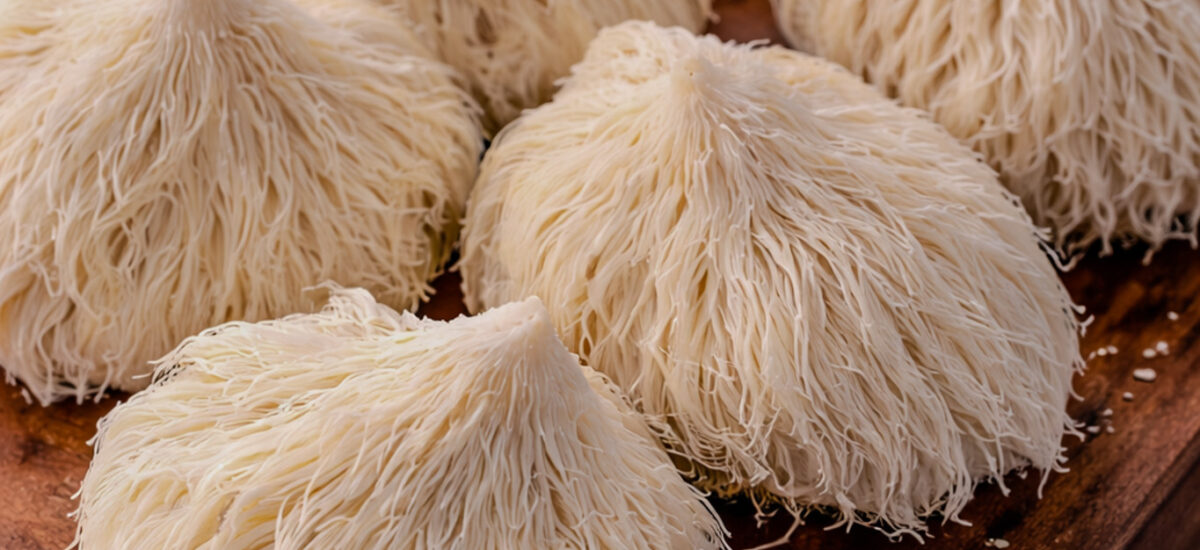
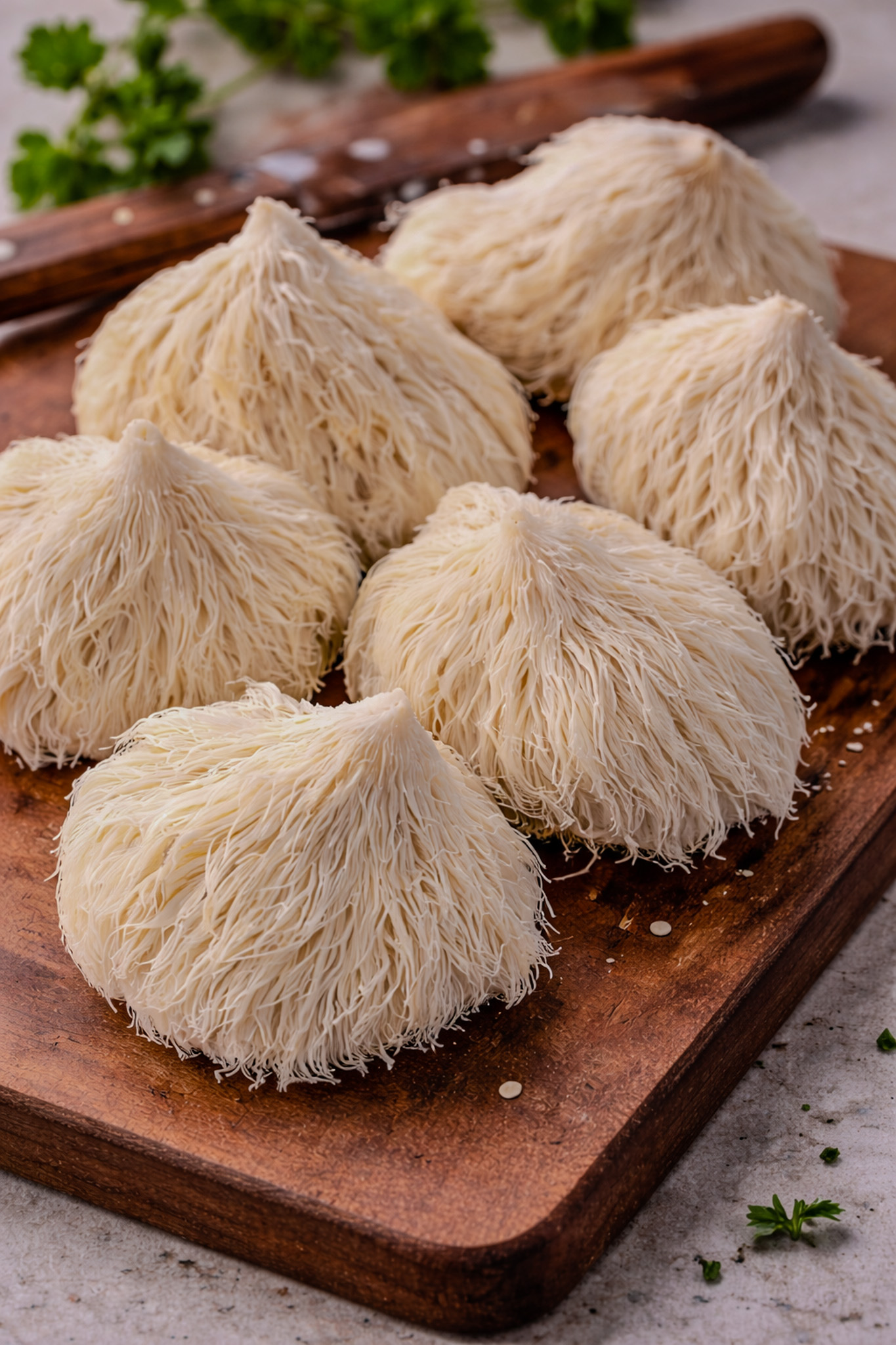
Shaggy, white, and almost cloud-like when raw, they transform in a hot pan. The exterior caramelizes. The inside turns tender and slightly chewy. The texture becomes meaty without feeling dense.
Cooked properly, lion's mane mushrooms develop crisp edges and a savory depth that feels substantial enough to stand on their own.
And the method is simple.
Butter (or ghee), garlic, tamari, and heat. That's it.
How do you cook lion's mane mushrooms?
Sauté lion's mane mushrooms in butter or ghee over medium-high heat, letting them brown undisturbed before flipping. Finish with garlic and tamari or Soy for flavor.
What Are Lion's Mane Mushrooms?
Lion's mane is a white, shaggy mushroom that grows in soft clusters instead of the typical cap-and-stem shape. It's sometimes called:
- Pom pom mushroom
- Hedgehog mushroom
It has a cascading, hair-like appearance - hence the name.
Native to North America, Europe, and Asia, it's increasingly available at farmers markets and specialty grocery stores. You can even grow it at home with a kit.
Unlike many mushrooms, lion's mane doesn't have a fibrous stem to trim around. It's one cohesive cluster that can be sliced into thick pieces or torn into chunks.
What Does Lion's Mane Taste Like?
Let's talk honestly about the "seafood" comparison.
Some people say lion's mane tastes like crab. Others disagree.
Here's the balanced take:
There is a subtle seafood undertone - but the real appeal is texture.
Lion's mane is:
- Meaty
- Chewy
- Tender when cooked correctly
- Crisp at the edges
That texture makes it ideal for meatless meals without relying on processed substitutes. It feels substantial.
And when you let it brown properly, the flavor deepens into something savory and satisfying.
The Right Way to Cook Lion's Mane
The key is restraint.
Give the mushrooms space in the pan. Let them sit and brown.
Step 1: Prep Gently
Brush off any debris. Trim the tough base if needed. Slice into thick pieces or tear into large chunks. Bigger pieces brown better.
Step 2: Start with Heat and Fat
Use butter or ghee in a hot skillet. Oil works, but butter gives you better flavor and browning.
Add the mushrooms and toss once to coat. Then leave them alone.
Let them cook undisturbed until golden brown on one side. This develops flavor and structure.
Flip and repeat.
Step 3: Finish with Flavor
Add garlic and tamari during the final 30 seconds of cooking. The garlic should become fragrant - not browned. The tamari will reduce slightly and coat the mushrooms.
Turn off the heat once the liquid cooks off.
Finish with coarse salt and chopped parsley.
Simple. Focused. Intentional.
Why Browning Matters
Lion's mane holds a surprising amount of moisture.
If you move it too often, it steams.
If you give it space, it browns.
That caramelization creates depth - nutty, savory notes that elevate the mushroom from mild to memorable.
Let the pan do its work.
Ways to Serve Lion's Mane
These mushrooms are versatile, but here are a few ways they shine:
- On crusty sourdough with a drizzle of balsamic glaze
- In a sandwich with pickled shallots and fresh greens
- Over pasta or risotto as the main feature
- In a stir fry as a swap for button mushrooms
- As a standalone side next to roasted chicken or steak
They're hearty enough to anchor a meal - not just accompany one.
Storage Tips
Fresh lion's mane keeps best in a paper bag.
- 1-2 days at room temperature
- Up to 5 days in the refrigerator
Once cooked, store in an airtight container in the fridge for up to 5 days.
Reheat in a skillet to bring the texture back - microwaving softens the edges too much.
A Final Note
Lion's mane has gained attention for its potential cognitive benefits, and you'll see it in powders and supplements.
But the best way to understand it is to cook it.
Sauté it. Brown it properly. Taste it warm from the pan.
It's not complicated food. It's a focused food.
And when you treat it with a little patience, it becomes something special.
Recipe
Sautéed Lion's Mane Mushrooms
Ingredients
- 1 large lion's mane mushroom about 8-10 oz, torn or sliced into thick pieces
- 1 tablespoon butter
- 1 teaspoon neutral oil optional, helps prevent burning
- 1 small garlic clove finely minced
- 1-2 teaspoons tamari or soy sauce
- coarse salt to taste
- fresh parsley chopped (optional)
- freshly cracked black pepper

Instructions
- Gently brush off any debris. Trim the tough base if needed. Tear or slice into thick, steak-like pieces. Larger pieces brown better than small ones.
- Pat dry if the mushroom feels damp - moisture prevents browning.
- Place a skillet (cast iron works well) over medium-high heat. Add the butter and oil.
- Once the butter melts and begins to foam, add the mushrooms in a single layer. Do not crowd the pan.
- Resist the urge to move them.
- Cook undisturbed for 3-4 minutes, until the underside develops a deep golden crust.
- Flip and cook the second side for another 3-4 minutes. The edges should be crisp, and the interior tender but structured.
- If the pan looks dry, add a small knob of butter.
- Reduce heat slightly.
- Add the garlic and cook for 30 seconds, just until fragrant - do not let it brown.
- Drizzle in the tamari and toss to coat. Let it cook off briefly so the mushrooms absorb the flavor.
- Turn off the heat.
- Finish with coarse salt, black pepper, and chopped parsley.
- Serve immediately.
Notes
- If the mushrooms release too much moisture, increase the heat slightly and allow it to evaporate before flipping.
- Do not overcrowd the skillet - steam is the enemy of browning.
- For extra-crisp edges, gently press the mushrooms with a spatula during the first side cook.
- Over crusty sourdough toast
- Tossed with pasta and parmesan
- Layered into a sandwich
- Served alongside roasted chicken or steak
- As a vegetarian main with rice and greens