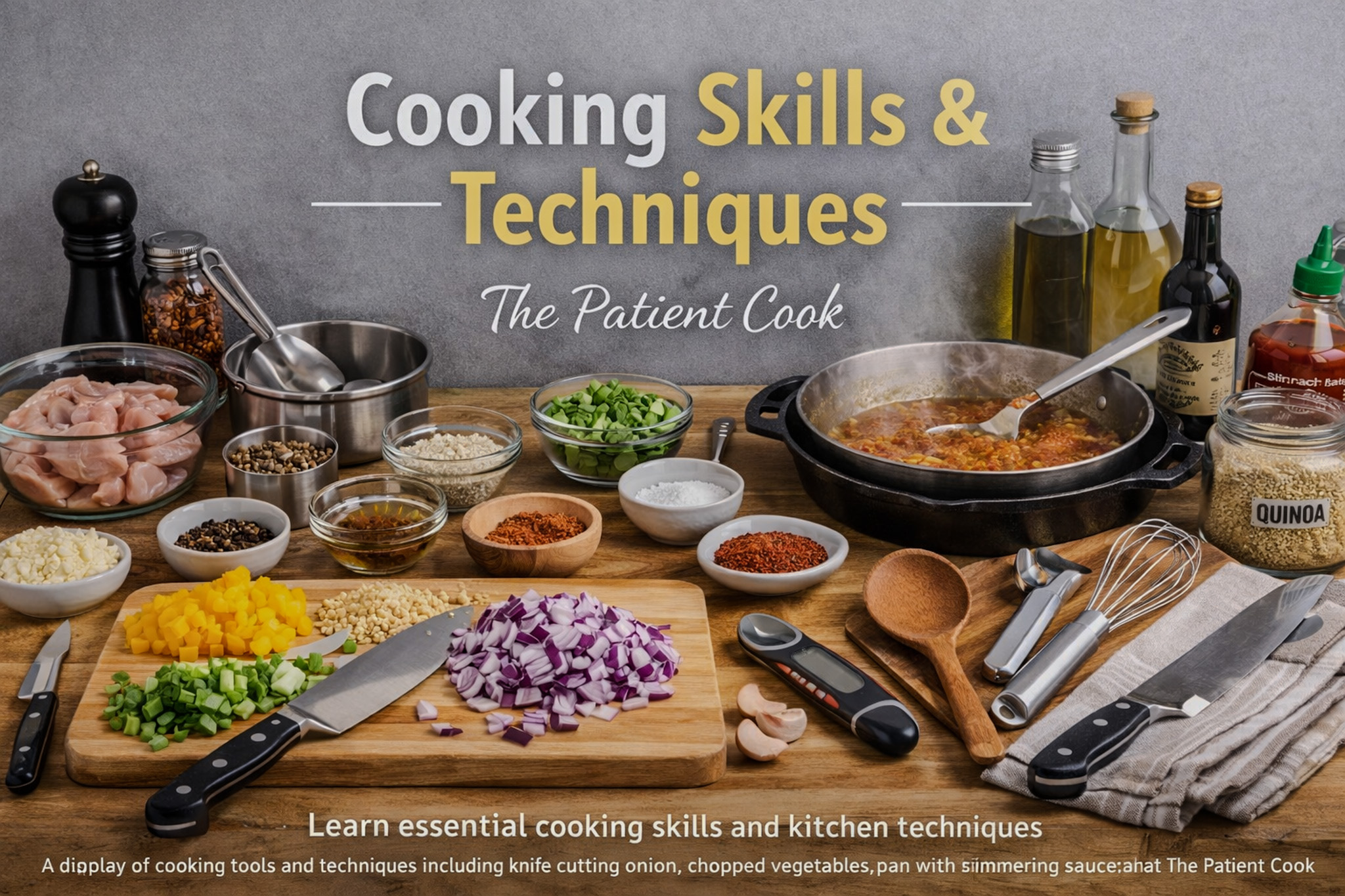
Cooking Skills & Techniques: Build Confidence in the Kitchen
Great cooking isn't just about following recipes - it's about understanding the skills and techniques that make recipes work. When you learn how to handle a knife properly, control heat, build flavor, and understand basic cooking methods, everything in the kitchen becomes easier and more enjoyable.
This Skills & Techniques hub is designed to help you build that foundation. Whether you're new to cooking or looking to refine your abilities, these guides focus on practical knowledge you can use every day. Instead of memorizing steps, you'll learn the "why" behind cooking so you can adapt, experiment, and grow more confident over time.
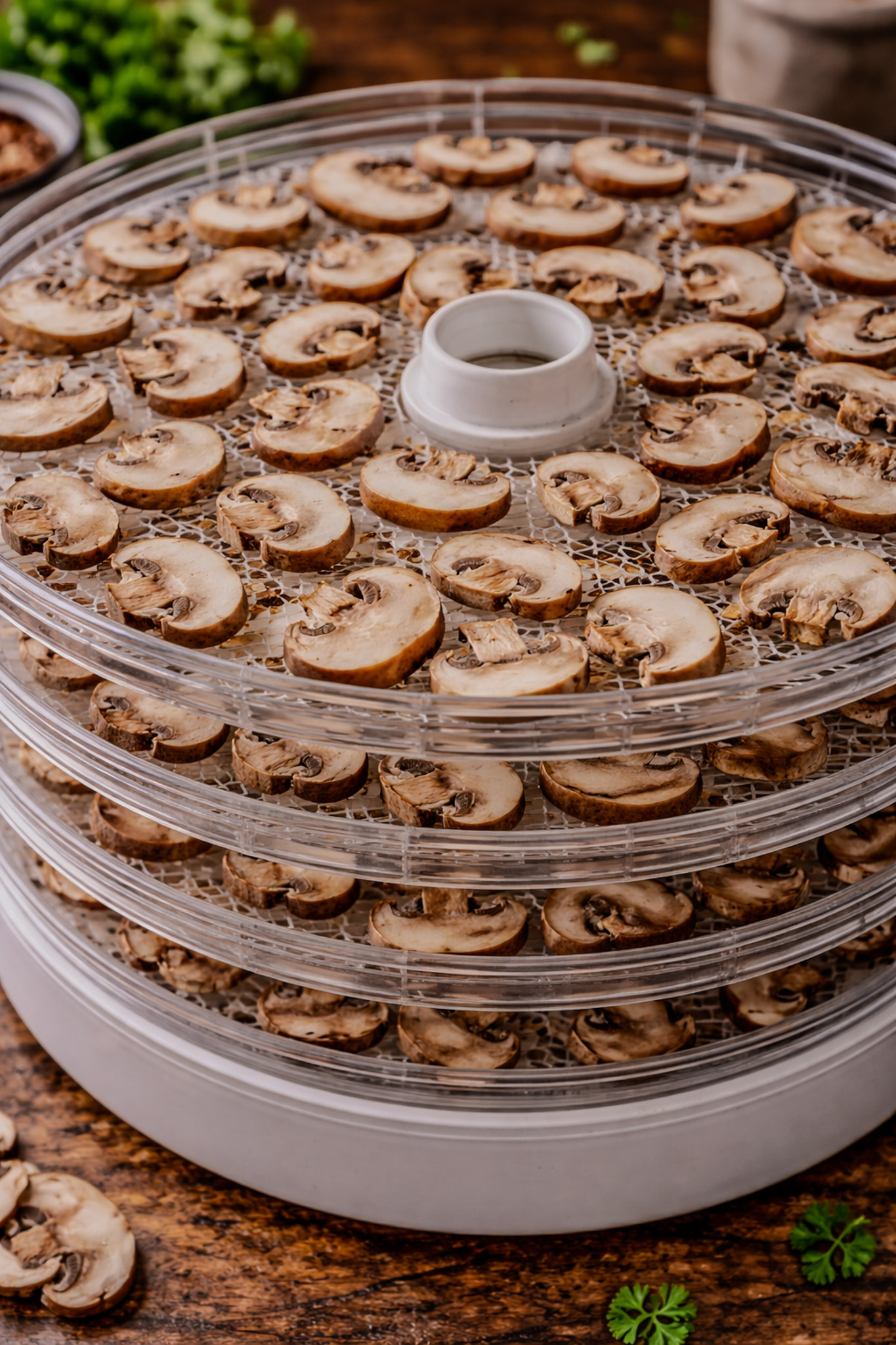
Interested in growing your own ingredients? Read our guide to Growing Chestnut Mushrooms at Home to learn how to cultivate fresh mushrooms right in your kitchen. Want to preserve mushrooms for a deeper flavor later? Read our guide on How to Dry Mushrooms Using a Dehydrator for a simple, step-by-step method.
Why Learning Cooking Skills Matters
Recipes are helpful, but technique is what makes cooking flexible. Once you understand the fundamentals, you're no longer tied to exact instructions - you can adjust seasoning, substitute ingredients, and troubleshoot when things don't go as planned.
Learning skills also helps you cook more efficiently. Good knife technique speeds up prep. Understanding heat control prevents overcooking. Knowing how flavors work together helps you build better dishes without extra effort.
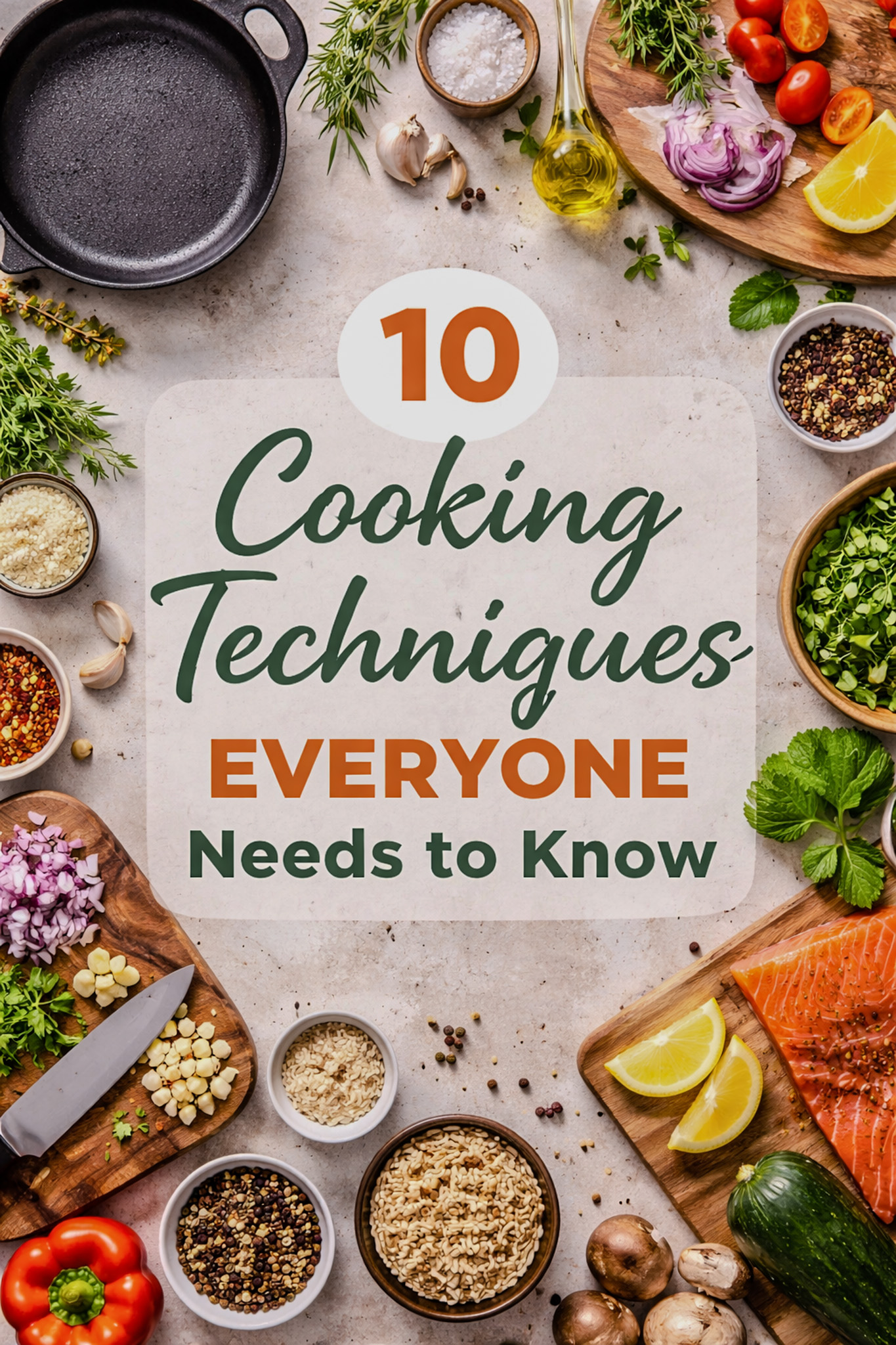
Most importantly, developing skills makes cooking feel less intimidating and more creative. If you're looking to strengthen your foundation, read our guide on the 10 Cooking Techniques Everyone Needs to Know to master the core methods every home cook should understand.
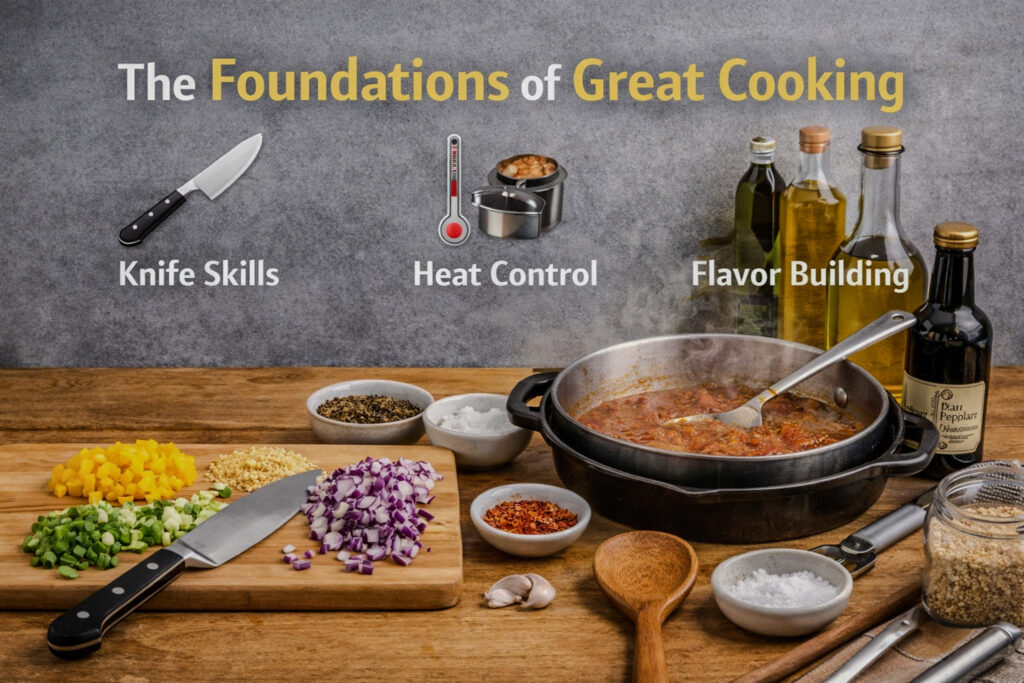
The Foundations of Great Cooking
At its core, good cooking comes down to a few key principles. These are the building blocks you'll see across many of the guides in this section. Want to improve your skills? Dive into my growing archive of cooking techniques
Knife Skills and Prep
Proper knife skills improve both safety and efficiency. Learning how to chop, slice, dice, and mince correctly helps ingredients cook evenly and improves the texture of your dishes. Prep techniques also include organizing ingredients, understanding mise en place, and preparing components before cooking begins.
Heat Control and Cooking Methods
Understanding how heat works is one of the most important cooking skills you can develop. Techniques like sautéing, roasting, simmering, and braising all rely on controlling temperature and timing.
When you know how to manage heat, you can prevent common mistakes like burning, undercooking, or drying out food. You'll also learn how to choose the right method for different ingredients.
Building Flavor
Flavor is more than just seasoning - it's about layering ingredients and understanding balance. Salt, acid, fat, and aromatics all play a role in creating depth and complexity.
Learning how to taste as you cook and adjust seasoning helps you develop intuition, one of the most valuable skills in the kitchen.
Cooking Is a Skill You Build Over Time
No one becomes a confident cook overnight. Like any skill, cooking improves with practice. The goal isn't perfection - it's progress. Every meal you cook teaches you something new, whether it's how ingredients behave, how timing works, or how flavors come together.
These guides are designed to help you build skills step by step so you can grow at your own pace.
From Following Recipes to Cooking Intuitively
As your skills improve, you'll notice a shift. Instead of strictly following recipes, you'll start understanding patterns. You'll know when to adjust heat, when something needs more seasoning, or how to adapt a recipe based on what you have on hand.
That's when cooking becomes truly enjoyable - when you feel comfortable experimenting and making dishes your own.
Learn, Practice, Enjoy the Process
The goal of The Patient Cook has always been to make cooking approachable and rewarding. Learning skills and techniques removes uncertainty and helps you feel more in control in the kitchen.
Whether you're working on fundamentals like knife skills or exploring more advanced techniques, this section is here to support your growth. Take your time, practice often, and enjoy the process of becoming a more confident cook.
Skills & Techniques Content
Mastering a handful of core techniques can transform the way you cook. This guide walks through the essential methods every home cook should understand - from sautéing and roasting to simmering and braising - helping you build confidence and improve results in every recipe.
Growing your own mushrooms is easier than you might think and incredibly rewarding. This beginner-friendly guide shows you how to cultivate chestnut mushrooms at home, so you can enjoy fresh, flavorful fungi while learning a practical kitchen skill.
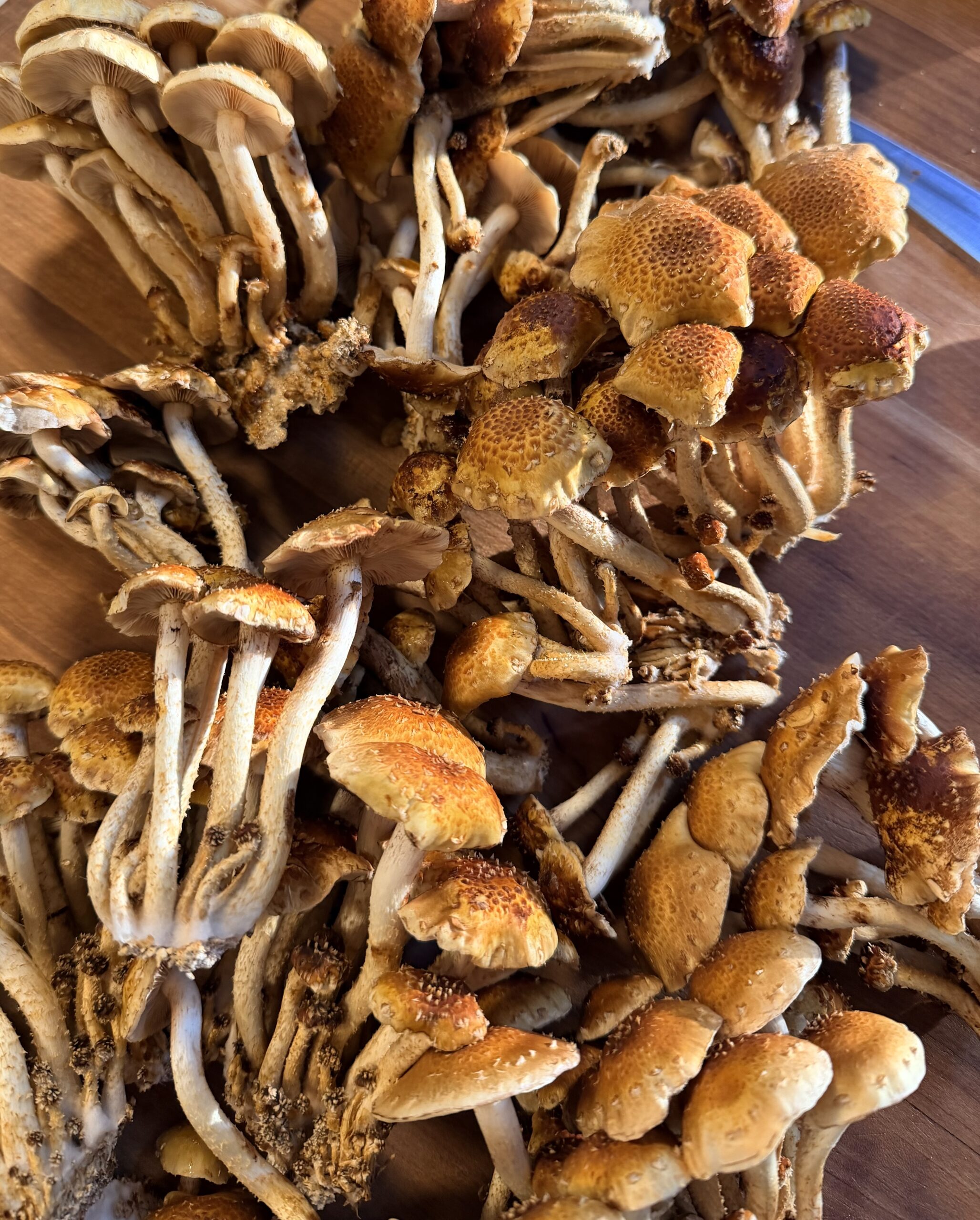
Drying mushrooms is one of the best ways to preserve their flavor and extend their shelf life. This step-by-step guide explains how to use a dehydrator to create rich, umami-packed dried mushrooms you can use in soups, sauces, and everyday cooking.