10 Basic Cooking Techniques Everyone Needs to Know
This guide is part of Cooking 101, where I break down the fundamentals of everyday cooking.
Cooking doesn't have to be complicated to be good. Most home meals - the ones you actually make week after week - are built on a small handful of techniques. Learn these, and everything else becomes easier, calmer, and more intuitive.
This guide covers 10 core cooking techniques that form the backbone of everyday cooking. You don't need special equipment or fancy ingredients - just a little patience and practice. Each technique below includes examples and recipes from The Patient Cook so you can see how they work in real meals.
If you're adventurous and have read my post on How to Grow Mushrooms at Home, you might be interested in learning how to dry them as well. If you want to go deeper, explore our full Skills & Techniques hub to build confidence with knife skills, heat control, and foundational cooking methods.
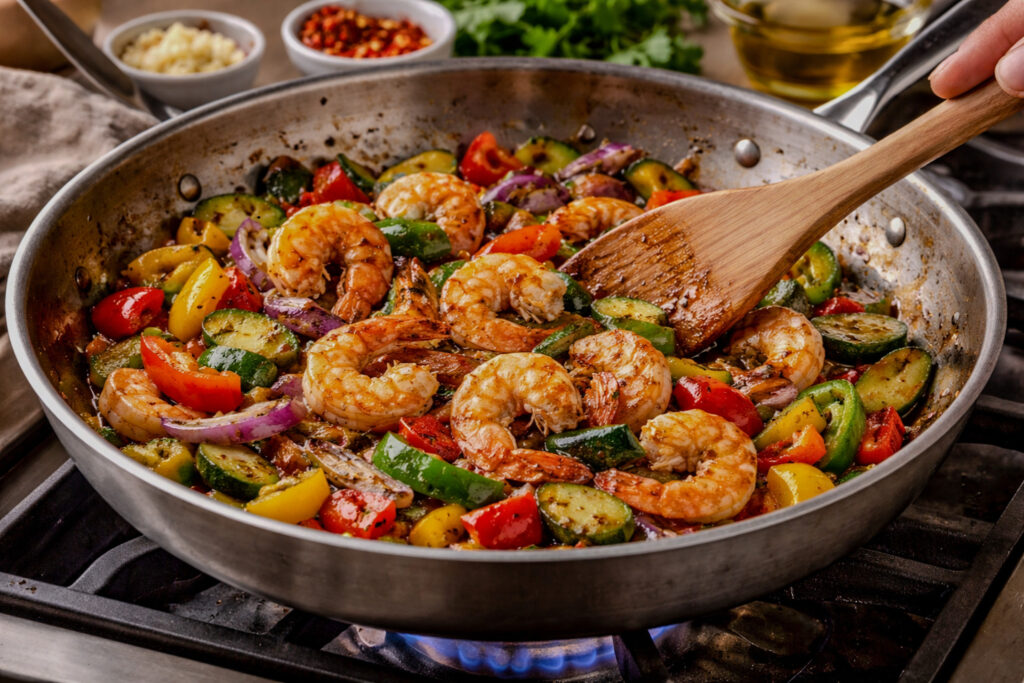
1. Sautéing
What it is
Cooking food quickly in a small amount of fat over medium to high heat.
Why it matters
Sautéing is how most meals begin. It builds flavor fast and creates a base for sauces, pastas, and stir-fries.
Key tip
Don't crowd the pan - space equals browning.
Once the pan is hot and the oil shimmers, sauté the broccoli and garlic, as shown in our Honey Garlic Chicken & Broccoli Stir Fry recipe. Try this brown-butter brioche French toast for a rich, comforting breakfast classic.
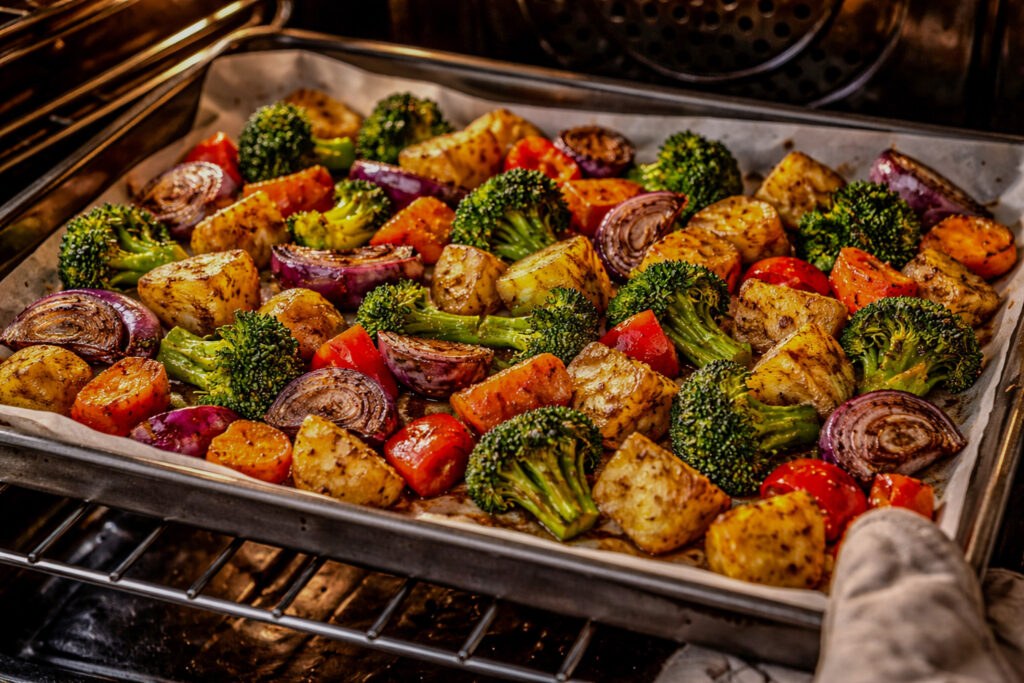
2. Roasting
What it is
Cooking food uncovered in the oven using dry heat.
Why it matters
Roasting concentrates flavor and gives you caramelization without constant attention. A great example is when you’re making our Sausage-Stuffed Acorn Squash
Key tip
Use high heat (400-425°F) and don't skimp on space.
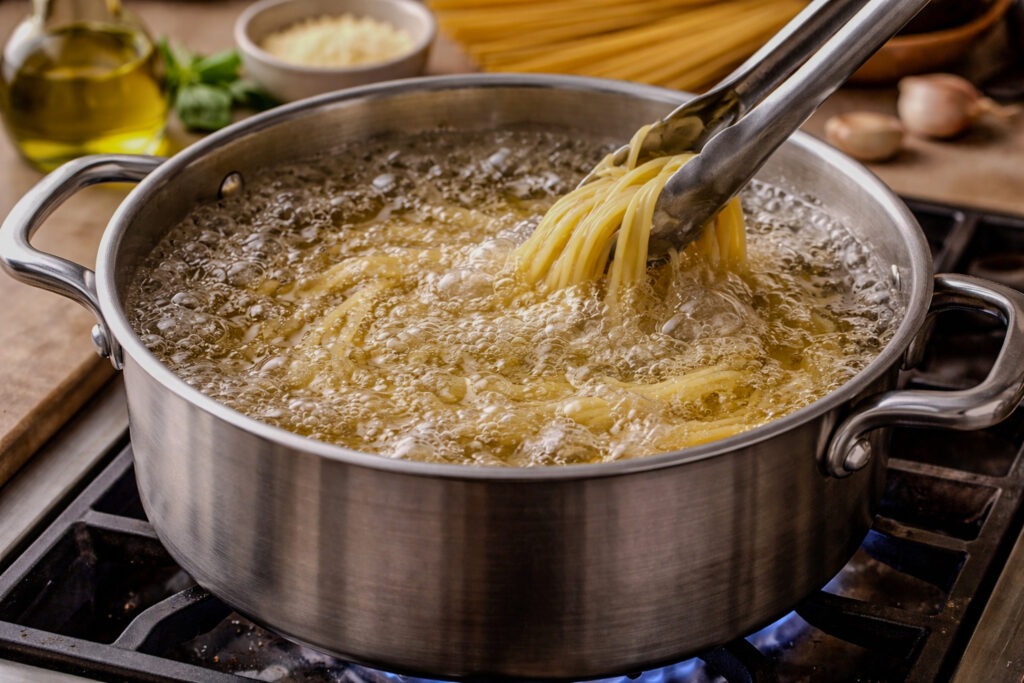
3. Boiling
What it is
Cooking food in rapidly bubbling water, like when you’re preparing the potatoes for our Classic Shepherd's Pie (with Turkey)
Why it matters
Boiling seems simple, but timing and seasoning make the difference between mushy and perfect
Key tip
Salt your water - it should taste like the sea.
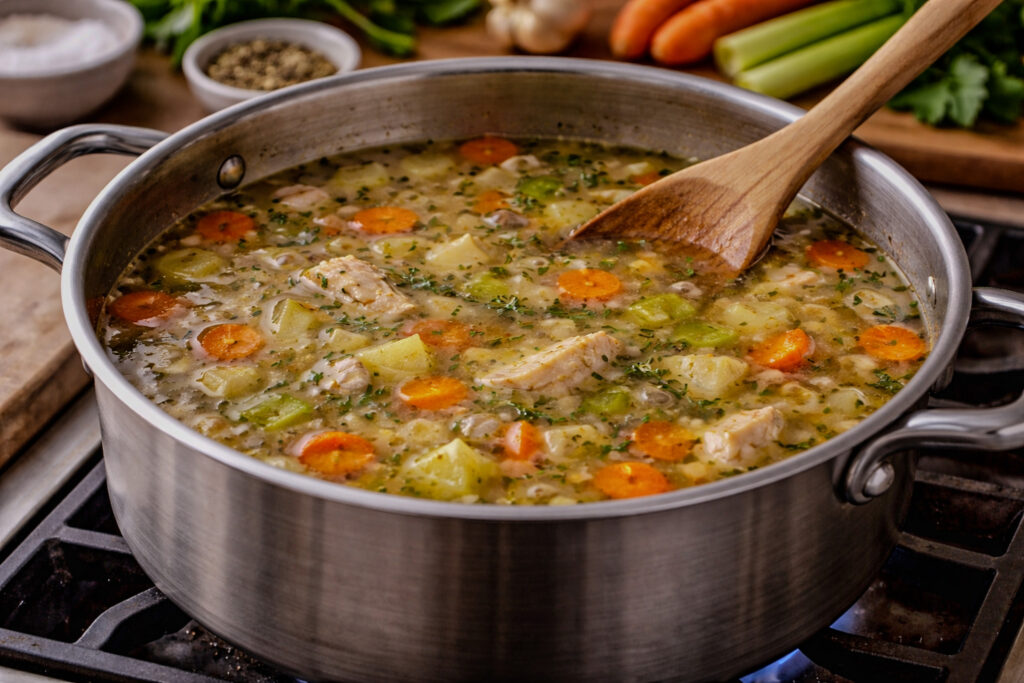
4. Simmering
What it is
Cooking gently in liquid just below a boil. This builds deep flavor with our popular Manhattan Clam Chowder
Why it matters
This is how soups and sauces develop depth without falling apart.
Key tip
Small bubbles, steady heat - never a rolling boil.
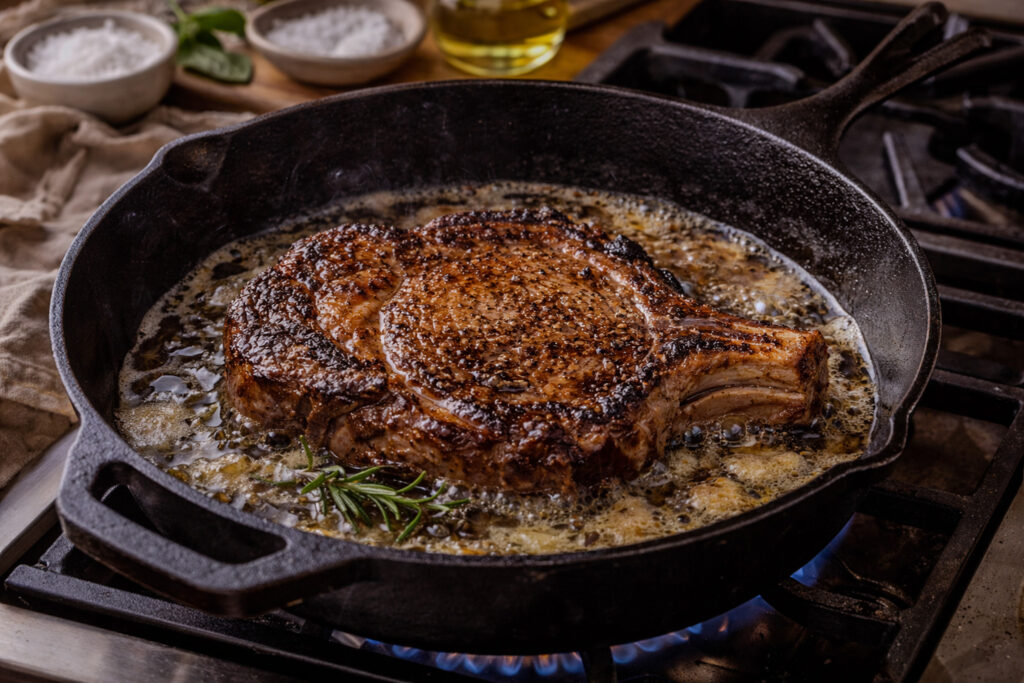
5. Browning (Searing)
What it is
Cooking at a higher heat to create a golden crust. This is what makes our Garlic Spinach & Mushroom Chicken Skillet so good. Nothing beats a browned piece of chicken
Why it matters
Browning = flavor. This step builds richness you can't fake later.
Key tip
Dry food browns better. Pat any proteins dry before cooking.
- Chicken Filet Sandwich
- Peri Peri Chicken Sandwich with Dill Cucumber Slaw
- Classic Sloppy Joes, Done Right
- Go-To Weeknight Stir-Fry That Actually Delivers
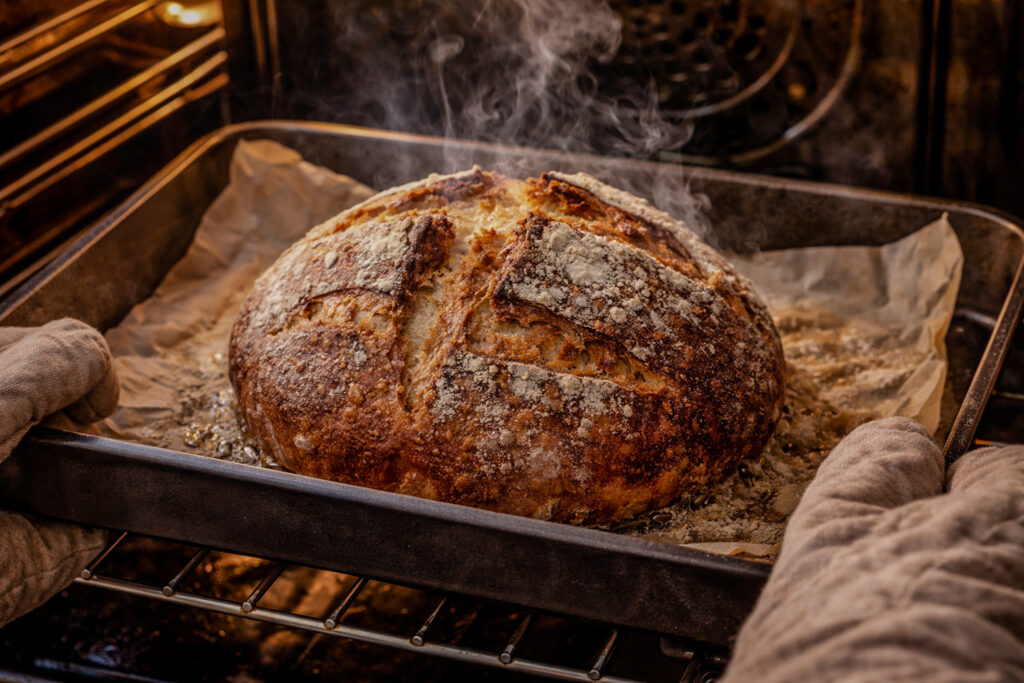
6. Baking
What it is
Cooking with even, indirect heat in the oven. It’s pure heaven when you get that nice golden brown crust on a dish, like with our Classic Shepherd's Pie (with Turkey)
Why it matters
Baking is steady and forgiving when the temperature and timing are right.
Key tip
Know your oven - they all run a little differently.
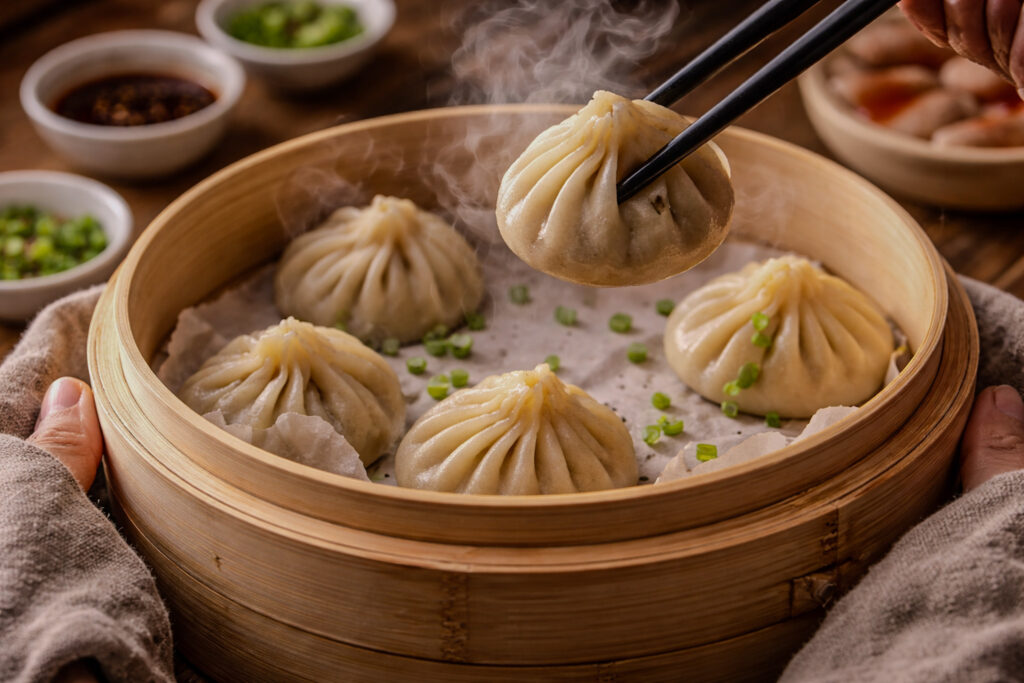
7. Steaming
What it is
Cooking with hot vapor instead of direct contact with water.
Why it matters
Steaming preserves moisture and keeps vegetables bright and tender.
Key tip
Don't overcook - vegetables should stay vibrant, not limp.
Recipes on The Patient Cook
- Spicy Miso Ramen (toppings, greens)
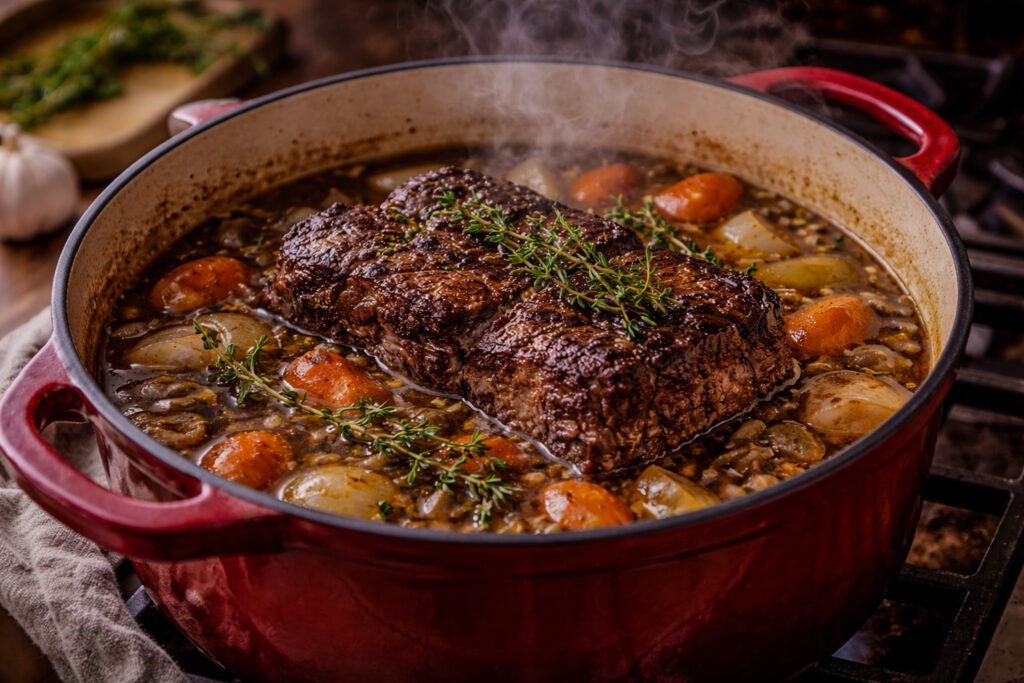
8. Braising
What it is
Browning first, then cooking slowly with a small amount of liquid. This makes our Cozy One-Pot Beef Stroganoff so deep and flavorful
Why it matters
This technique turns tough ingredients into deeply comforting meals.
Key tip
Low and slow wins every time.
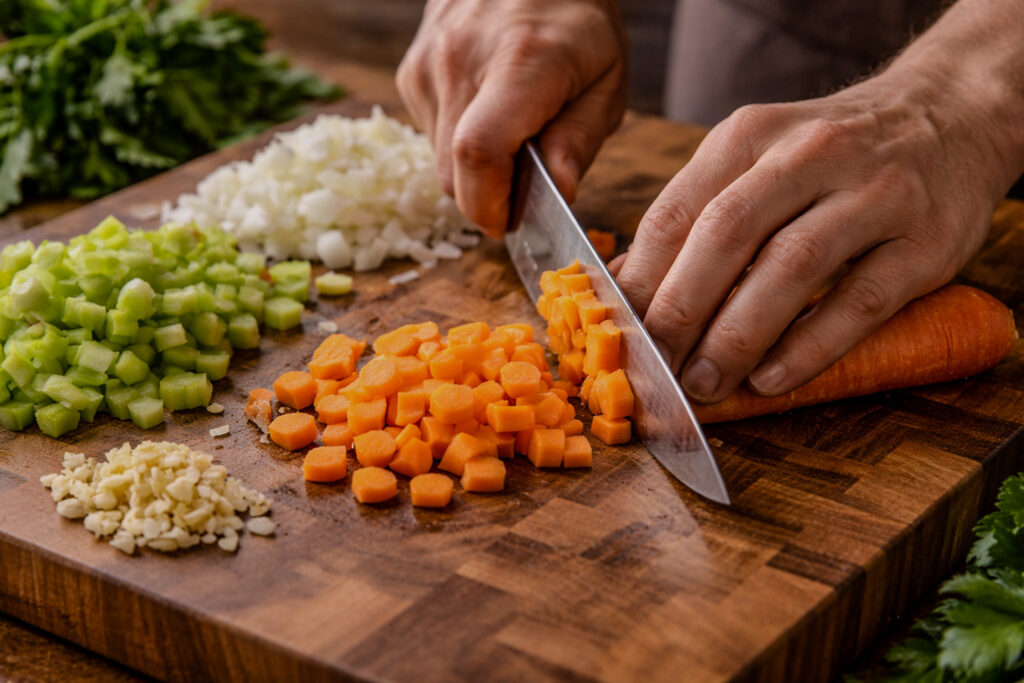
9. Basic Knife Skills
What it is
Chopping, slicing, dicing, and mincing safely and consistently. It’s so satisfying to get everything chopped and ready for blending into our Simple Scallion Cream Cheese
Why it matters
Good knife work saves time and makes cooking calmer and safer.
Key tip
Focus on consistency, not speed.
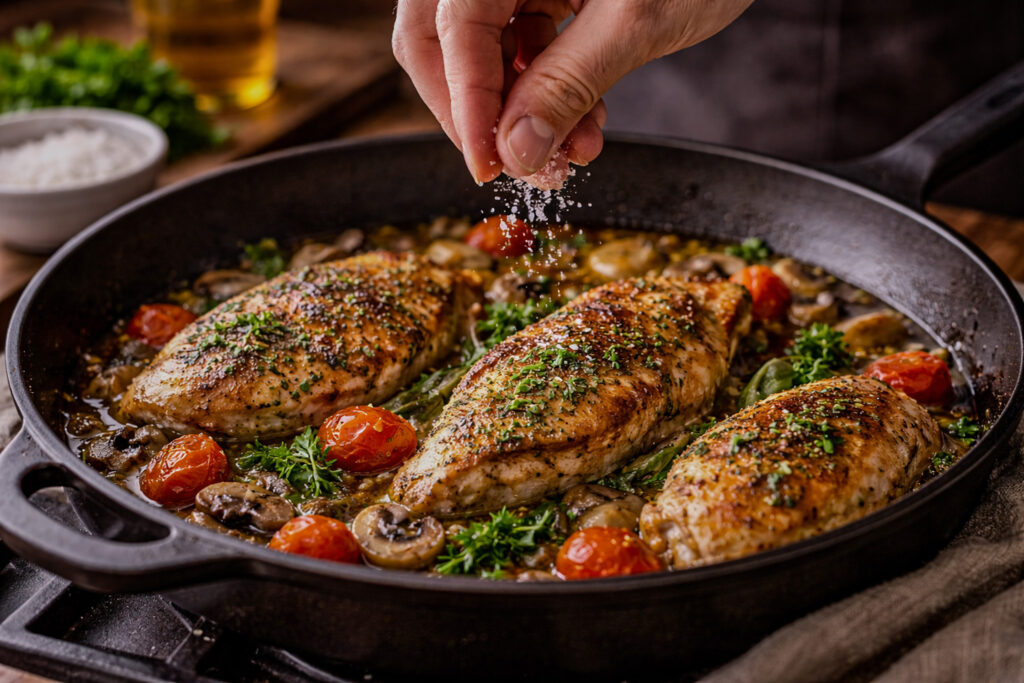
10. Proper Seasoning
What it is
Knowing when and how to season food throughout the cooking process. This is very important when you’re making our Israeli Hummus (Dizengoff-Style)
Why it matters
Seasoning in layers is the difference between flat food and food that tastes alive.
Key tip
Taste as you go. Adjust near the end.
You don't need hundreds of techniques. You need a few good ones - practiced calmly and consistently.
If you can sauté, roast, simmer, brown, and season well, you can cook real food for real life. Everything else builds from there.
Looking for more inspiration? Visit All Season Favorites. Want to improve your skills? Dive into my growing archive of cooking techniques